
Key Takeaways
Reduces daily mechanical manipulation of hair ends
Tucking ends away limits friction from clothing and repeated combing, which are primary causes of split ends and breakage, particularly in textured hair types.
Supports length retention over time
Hair that is not being broken off at the ends regularly can accumulate length more effectively, even if the rate of growth itself does not change.
Lowers heat tool exposure during wear period
Most protective styles eliminate the need for blow dryers and flat irons for weeks at a time, reducing cumulative heat-related protein damage.
Provides a rest period for chemically treated hair
After coloring or relaxing, hair is structurally more vulnerable; low-manipulation styling during recovery can prevent layering mechanical damage on top of chemical stress.
Can reduce daily styling time and effort
Set-and-forget styles free up time in daily routines, which may also reduce the temptation to over-style or use excessive product.
Tight installation risks traction alopecia
Sustained tension on follicles — especially along the hairline — can cause inflammation and, with repeated occurrence, permanent follicle damage and hair loss in affected areas.
Scalp access is reduced, risking neglect
Moisture and cleansing routines are harder to maintain under braids or weaves, and buildup on a dry scalp can disrupt the environment needed for healthy hair growth.
Wearing too long causes matting and shedding buildup
Shed hairs that can't exit normally accumulate at the root; when removed, they create tangles that cause significant mechanical breakage during takedown.
Poor removal technique can undo any benefit
Rushing the takedown process, particularly with braids or extensions, is one of the leading causes of breakage associated with protective styling cycles.
Not all hair types benefit equally
Fine or low-density hair may be more susceptible to tension damage and may not hold certain styles without stress that outweighs the protective benefit.
Our Verdict
Protective styling can be genuinely beneficial for reducing breakage and giving hair a rest from daily manipulation — but only when installed at the right tension, maintained properly, and worn for an appropriate duration. The protective label does not automatically make a style safe. Outcomes depend heavily on individual technique, hair condition, and aftercare.
Best suited for people with textured, natural, or chemically treated hair who are seeking to reduce mechanical damage and retain length, provided they commit to scalp care and attentive monitoring throughout the wear period.
What 'Protective Styling' Actually Means
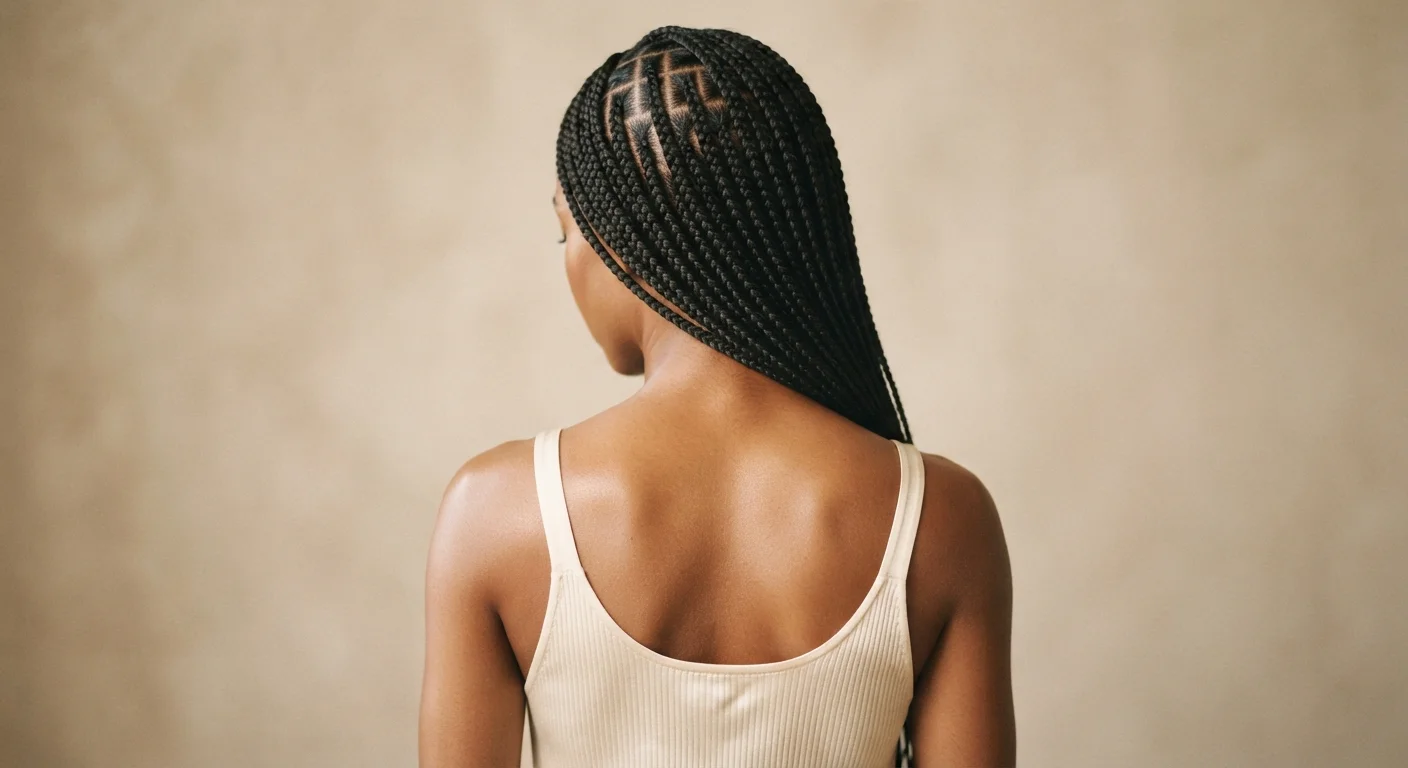
The term protective styling refers to hairstyles that tuck the ends of your hair away, minimizing contact with clothing, fingers, and environmental elements. Common examples include box braids, twists, cornrows, weaves, buns, and updos. The logic is straightforward: hair ends are the oldest and most fragile part of the strand, and reducing friction and manipulation there can limit breakage.
Protective styles are especially common among people with natural or textured hair, partly because high-manipulation styling routines — daily detangling, heat exposure, tight ponytails — can contribute significantly to cumulative damage. For more on how those everyday habits compound over time, see grooming habits that quietly wear down hair.
It's worth noting that a style being "protective" is a functional description, not a safety guarantee. Execution matters as much as intent.
The Genuine Benefits
Reduces daily mechanical manipulation of hair ends
Tucking ends away limits friction from clothing and repeated combing, which are primary causes of split ends and breakage, particularly in textured hair types.
Supports length retention over time
Hair that is not being broken off at the ends regularly can accumulate length more effectively, even if the rate of growth itself does not change.
Lowers heat tool exposure during wear period
Most protective styles eliminate the need for blow dryers and flat irons for weeks at a time, reducing cumulative heat-related protein damage.
Provides a rest period for chemically treated hair
After coloring or relaxing, hair is structurally more vulnerable; low-manipulation styling during recovery can prevent layering mechanical damage on top of chemical stress.
Can reduce daily styling time and effort
Set-and-forget styles free up time in daily routines, which may also reduce the temptation to over-style or use excessive product.
When installed correctly and maintained attentively, protective styles offer measurable advantages. Length retention is the most commonly cited benefit: by shielding ends and reducing daily styling, hair that might otherwise break off has the opportunity to grow past retention points. This is particularly relevant for textured hair types, where the curl pattern creates natural points of mechanical weakness along the strand.
Protective styles also reduce exposure to heat tools. Research consistently links repeated high-heat styling to protein structure disruption in the hair shaft — a process explained in detail in our piece on heat styling and hair damage. A period in a low-manipulation style is a practical way to give hair a break from that stress.
For people managing chemically treated hair, reduced manipulation during a vulnerable period can also prevent additional mechanical damage on top of chemical stress. See caring for chemically treated hair for context on how structural changes affect hair's fragility.
The Real Risks Worth Knowing
Tight installation risks traction alopecia
Sustained tension on follicles — especially along the hairline — can cause inflammation and, with repeated occurrence, permanent follicle damage and hair loss in affected areas.
Scalp access is reduced, risking neglect
Moisture and cleansing routines are harder to maintain under braids or weaves, and buildup on a dry scalp can disrupt the environment needed for healthy hair growth.
Wearing too long causes matting and shedding buildup
Shed hairs that can't exit normally accumulate at the root; when removed, they create tangles that cause significant mechanical breakage during takedown.
Poor removal technique can undo any benefit
Rushing the takedown process, particularly with braids or extensions, is one of the leading causes of breakage associated with protective styling cycles.
Not all hair types benefit equally
Fine or low-density hair may be more susceptible to tension damage and may not hold certain styles without stress that outweighs the protective benefit.
The most clinically significant risk associated with protective styling is traction alopecia — hair loss caused by sustained tension on the follicle. Styles installed too tightly, particularly along the hairline and edges, can cause follicle trauma that, over time, leads to permanent hair loss in those areas. This is not a rare or extreme outcome; dermatologists frequently cite tight braiding and weave installation as contributing factors.
A second concern is scalp neglect. Because the scalp is less accessible during a protective style, many people under-moisturize and under-cleanse, allowing product buildup and dryness to accumulate. Scalp health is foundational to hair growth — a point developed further in scalp health and why it matters.
Wearing a style for too long also creates problems. Matting, excessive shedding collecting at the root, and new growth tangling with braided hair can all lead to significant breakage during removal — sometimes worse than if no protective style had been used at all.
A Note on 'Protective' as a Label
The word 'protective' describes the intended function of a style, not its guaranteed outcome. A box braid installed with too much tension or left in too long can cause more damage than a simple wash-and-go routine. No style is inherently protective — technique, duration, and maintenance determine whether the label holds. If you're experiencing scalp pain, visible thinning at the edges, or significant breakage after takedown, it's worth consulting a licensed cosmetologist or a dermatologist who specializes in hair and scalp health.
How to Make Protective Styling Work for You
The difference between a protective style that helps and one that harms usually comes down to a few controllable factors:
- Tension: If your scalp hurts immediately after installation, or if you can see the skin around the hairline pulling, the style is too tight. Pain is not normal and should be addressed promptly.
- Duration: Most guidance from hair care professionals suggests keeping braided or twisted styles in for no longer than six to eight weeks. Leaving them longer significantly increases the risk of matting and shedding buildup.
- Scalp maintenance: Use diluted leave-in sprays or scalp oils to keep the scalp moisturized. A gentle clarifying rinse midway through the wear period helps prevent buildup without disturbing the style.
- Removal: Take time during takedown. Rushing removal is one of the most common causes of mechanical breakage associated with protective styles.
Understanding whether what you're seeing during takedown is shedding or breakage is also useful — those two patterns signal different things. Our piece on the shedding vs. breakage distinction walks through how to tell them apart.
~1/3
Traction alopecia share among Black women
A study published in the Journal of the American Academy of Dermatology estimated traction alopecia affects roughly one-third of Black women, with hairstyling tension identified as a primary contributing factor.
6–8 weeks
Recommended maximum protective style duration
Most professional hair care practitioners recommend removing and reassessing braided or twisted protective styles after six to eight weeks to prevent matting and follicle stress.