

Key Takeaways
What Chemical Treatments Actually Do to Your Hair
Coloring and relaxing aren't surface-level processes — they work by penetrating and altering the hair's internal structure. Understanding what changes can help you make smarter decisions about your routine going forward.
Hair is made up of a protein called keratin, organized into layers. The outermost layer, the cuticle, acts like shingles on a roof, lying flat to protect the inner cortex. Chemical treatments — whether oxidative hair dyes, bleach, or lye/no-lye relaxers — must open those cuticle layers to do their job. Bleach and permanent color use hydrogen peroxide to break into the cortex and alter or deposit pigment. Relaxers use alkaline chemicals to permanently break the disulfide bonds that give curly or coily hair its shape.
The result: hair that holds color or lies straight, but with cuticles that may no longer lie flat, reduced natural oils, compromised protein bonds, and greater porosity. Higher porosity means the hair absorbs moisture easily but loses it just as fast — a key driver of the dryness and fragility many people experience after treatment. If persistent dryness sounds familiar, our article on why hair feels dry even after conditioning breaks down the structural reasons behind it.
Overlap and Re-Processing: A Major Risk
Applying a chemical treatment — especially bleach or a relaxer — over hair that has already been processed dramatically increases the risk of severe breakage and, in some cases, scalp irritation. If you're not certain of your hair's treatment history, consult a licensed cosmetologist before applying any additional chemicals. When in doubt, a strand or patch test should be done in advance.
How to Adjust Your Hair Care Routine After Treatment
Once your hair has been chemically treated, the goal of your routine shifts: you're no longer just maintaining — you're actively compensating for structural changes. The steps below apply broadly to color-treated and relaxed hair, though your specific needs may vary based on hair texture, treatment type, and condition. If you're new to building a deliberate hair care routine, this plain-language starting guide covers the core fundamentals.
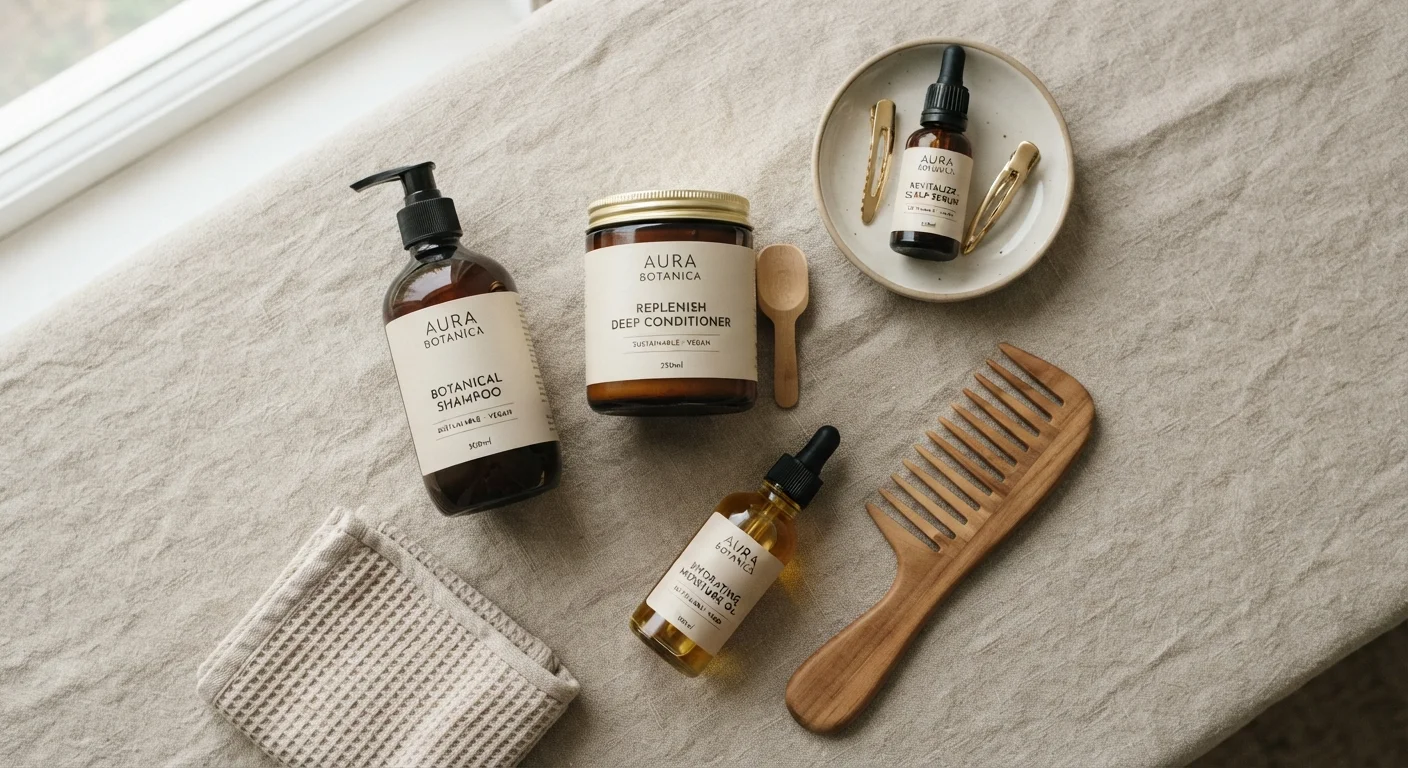
What you will need
Switch to a gentler cleansing approach
Traditional shampoos formulated with sulfates — surfactants like sodium lauryl sulfate — are effective at removing buildup but can strip the natural oils that chemically treated hair struggles to retain. After treatment, consider a sulfate-free or low-sulfate formula designed for color-treated or damaged hair. Reduce washing frequency to 1–2 times per week if your hair and scalp tolerate it, using cool or lukewarm water rather than hot. Our comparison of sulfate-free and traditional shampoos explains the tradeoffs in detail.
Deep condition consistently — not occasionally
A standard rinse-out conditioner used for 2–3 minutes is not sufficient for hair that has had its moisture bonds disrupted. Deep conditioning treatments, applied for 20–30 minutes with or without gentle heat, allow moisturizing and strengthening ingredients to penetrate more effectively. Aim to deep condition at least once a week. Look for formulas that address both moisture and protein, and alternate between the two based on how your hair is responding — limp or mushy hair may need more protein, while stiff or brittle hair may need more moisture.
Add a leave-in product to seal in moisture
Because chemically treated hair tends toward higher porosity, it releases moisture more quickly than untreated hair. Applying a leave-in conditioner or lightweight moisturizer while hair is still damp helps close the cuticle and slow that loss. Work the product through mid-lengths and ends — the oldest, most processed parts of the hair shaft — and avoid overloading the roots, which can cause buildup near the scalp.
Detangle gently and strategically
Chemically treated hair has weakened structural integrity, meaning it's more prone to snapping under mechanical stress. Always detangle from the ends upward using a wide-tooth comb or a flexible detangling brush — never drag from root to tip. Detangle when hair is damp and has slip from a conditioner or leave-in, not when it's dry and uncoated. Minimizing unnecessary manipulation between wash days also reduces cumulative breakage.
Protect hair at night
Cotton pillowcases create friction that can rough up the cuticle and cause breakage while you sleep. Switch to a satin or silk pillowcase, or wrap hair in a satin-lined bonnet or scarf before bed. This single habit reduces nighttime mechanical damage and helps your style and moisture retention last longer between wash days.
Build Your Routine Gradually
You don't need to overhaul everything at once. Start with the cleansing and deep conditioning steps, which have the most direct impact on moisture retention. Once those feel consistent, layer in leave-in products and nighttime protection. Overloading your routine with too many new products simultaneously also makes it harder to identify what's helping or causing buildup.
Longer-Term Habits That Protect Treated Hair
Beyond your weekly routine, a few consistent practices make a meaningful difference in how chemically treated hair holds up over time.
Space out services. Overlapping chemical applications — applying color or relaxer to hair that has already been processed — is one of the fastest routes to severe breakage. Follow professional guidance on timing between services and, where possible, apply new growth only rather than re-processing the full length.
Reduce heat exposure. Chemically treated hair is already structurally altered; heat tools compound that stress. Heat styling changes hair's protein structure in ways that stack on top of chemical damage. Use lower heat settings and apply a heat protectant before any thermal styling.
Trim consistently. Split ends travel up the shaft over time, causing further breakage. Trimming every 8–12 weeks (or as your stylist recommends) removes compromised ends before the damage spreads.
Consider protective styling. Styles that tuck away ends and minimize daily manipulation can reduce mechanical stress. That said, protective styles are not risk-free — tension, product buildup, and infrequent cleansing can create their own problems. Our full-picture guide to protective styling covers both the benefits and the limitations honestly.
This article is for general informational purposes only. For personalized hair care guidance — especially if you're experiencing significant breakage, scalp irritation, or other concerns — consult a licensed cosmetologist or a dermatologist specializing in hair health.