

Style & Beauty

Auditing Your Current Skincare Routine for Common Gaps

Share
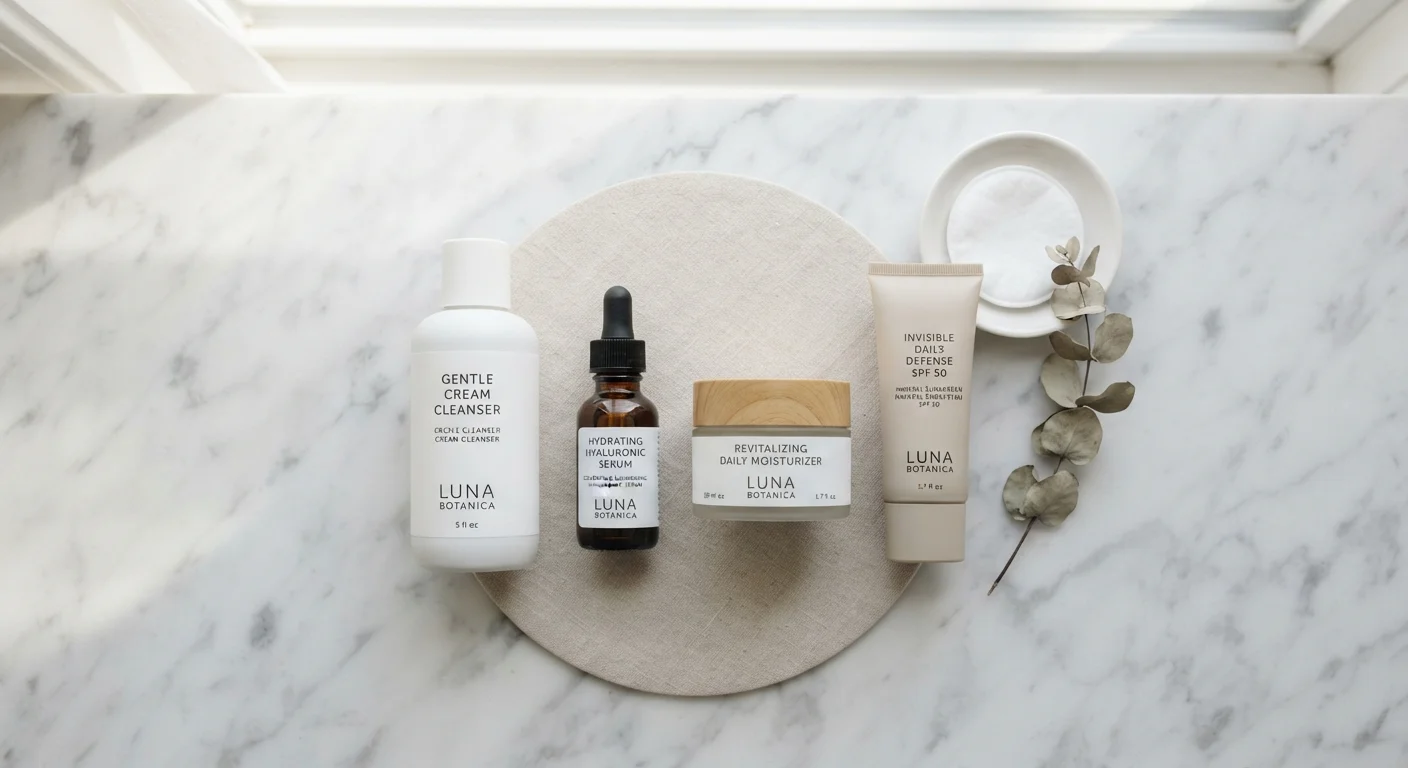
A neatly organized flatlay of common skincare products on a white marble surface

Key Takeaways

Most routine gaps fall into four categories: missing steps, wrong product for skin type, ingredient conflicts, and application order errors.
Sunscreen is the single most commonly skipped protective step in everyday skincare routines.
Ingredient incompatibilities — not just missing products — are a frequent cause of irritation and reduced effectiveness.
A routine audit doesn't require buying anything new; it starts with honestly evaluating what you already use.
Even well-established routines benefit from a seasonal or annual review as skin needs change over time.
20–40 min

Summary

22 items · 20–40 minutes

Why Auditing Your Routine Matters

Most people don't build a skincare routine so much as accumulate one. A product here, a recommendation there — and before long, the routine is a patchwork of steps that may or may not work together. An audit cuts through that clutter to reveal what your skin is actually getting and where the gaps are.

This isn't about building something more elaborate. In fact, many audit outcomes point toward simplifying. The goal is a routine that covers the fundamentals consistently — cleansing, moisturizing, and daily sun protection — while layering targeted treatments only where they're genuinely useful.

If you're brand new to skincare, you may find it helpful to first read our beginner's guide to building a routine. For everyone else, this checklist is designed to stress-test what you're already doing.

Required

Full product lineup

Lay out every product you currently use, morning and evening, so nothing is evaluated in isolation.

Required

Ingredient list reference

Use a reputable ingredient database or guide to identify actives in each product and flag potential conflicts.

Required

Notepad or notes app

Record flagged items during the audit so you have a clear action list when you finish.

Optional

Magnifying glass or phone camera zoom

Read small-print ingredient lists and period-after-opening symbols accurately.

How to Use This Checklist

Before you start, gather every product you currently use — morning and evening. Lay them out where you can read the labels. You'll be checking not just what you use, but what's in those products, how you're applying them, and whether the order makes sense for the formulas involved.

Work through each group systematically. For any item you can't confidently check off, note it rather than skipping it. Those notes become your action list. Pay particular attention to the ingredients section — conflicts between actives are one of the most common and least obvious causes of irritation and poor results. See which ingredient pairings to approach carefully for a deeper look at that topic.

Core Steps Coverage

Confirm you have a dedicated cleanser suited to your skin type — not a body wash, bar soap, or makeup wipe used as a primary cleanse. Must
Verify you are moisturizing every day, including days when skin feels oily or clear. Must
Check that you apply a broad-spectrum SPF 30 or higher sunscreen every morning, including overcast days and days spent mostly indoors near windows. Must
Assess whether your evening routine differs appropriately from your morning routine — nighttime is when repair-focused ingredients are most useful. Should
Consider whether double cleansing is relevant to your routine — particularly if you wear makeup or sunscreen daily. Review whether double cleansing is right for you before adding it. Nice to have

Product-to-Skin-Type Match

Check whether your cleanser's formulation matches your skin's current needs — foaming cleansers can be too stripping for dry or sensitive skin; cream or gel formulas are often more appropriate. Must
Evaluate whether your moisturizer's weight is appropriate — heavier creams for dry skin, lighter gels or lotions for oily or combination skin. Must
Review whether your sunscreen formula is one you actually use consistently — if you dislike the texture, you're more likely to skip it. Should
Note any products causing persistent tightness, flakiness, or breakouts, as these are signs of a mismatch rather than normal adjustment. Must

Ingredient Audit

List every active ingredient across all products — retinoids, AHAs, BHAs, vitamin C, niacinamide, benzoyl peroxide — and check for known incompatible pairings. Must
Confirm you are not layering multiple exfoliating acids in the same routine without a clear rationale, as this significantly raises irritation risk. Must
Check whether any vitamin C product is being used alongside a high-pH formula that may reduce its stability and effectiveness. Should
Verify that retinoids are being applied at night only and followed by moisturizer to reduce dryness and flaking. Must
Review whether any product addresses uneven skin tone concerns, and whether the approach is evidence-informed. See an overview of hyperpigmentation and common approaches. Nice to have

Application Order and Habits

Confirm that products are applied in order from thinnest to thickest consistency — serums before moisturizers, moisturizers before sunscreen in the morning. Must
Allow adequate wait time between actives if you are layering them — applying a second product too quickly can dilute or disrupt the first. Should
Check that you are using the right amount of each product — most serums require only a pea- to dime-sized amount; sunscreen requires enough to cover all exposed skin adequately. Should
Assess whether you are applying products to slightly damp or fully dry skin depending on what each formula requires. Nice to have

Routine Hygiene and Product Integrity

Check expiration dates or period-after-opening symbols on all products and discard anything past its usable life. Must
Inspect product storage — most actives, especially vitamin C and retinoids, degrade faster when exposed to light, heat, or air. Should
Ensure that tools such as facial brushes, sponges, or gua sha implements are cleaned regularly to prevent bacterial transfer. Should

Interpreting Your Results

After working through the checklist, most people land in one of three situations: a routine that's nearly complete but missing one protective step (usually SPF); a routine with overlapping or conflicting actives causing unnecessary irritation; or a routine that's simply too complex for the skin to tolerate consistently.

Persistent Irritation Warrants Professional Input

If your skin is consistently red, inflamed, or breaking out despite routine adjustments, a self-guided audit has its limits. A board-certified dermatologist can identify whether an underlying condition — such as rosacea, contact dermatitis, or acne — is influencing how your skin responds to products. An audit is a useful starting point, but it is not a substitute for professional evaluation.

If you flagged several items in the ingredient compatibility or application order sections, consult the general logic for sequencing skincare products before adding anything new. Similarly, if you're unsure what's actually in your current products, learning to read an ingredient label can help you decode what you're working with.

Skin needs also shift with seasons, hormones, age, and lifestyle changes, so even a well-functioning routine benefits from a check-in every six to twelve months. Think of this audit less as a one-time fix and more as a periodic habit — not unlike the wardrobe audit approach applied to your closet.

Don't Overhaul Everything at Once

Changing multiple products simultaneously makes it nearly impossible to identify what's helping or causing a reaction. Introduce one change at a time and allow at least two to four weeks before evaluating results. This is especially important with actives like retinoids or exfoliating acids, which often cause a temporary adjustment period.

This article is for general informational purposes only and is not a substitute for advice from a licensed dermatologist or healthcare professional. If you are experiencing persistent skin concerns, consult a qualified provider.

Style & Beauty Editorial Team is the collective byline for our editorial team and contributor network. Articles published under this byline or an editorial pen name are researched, written, and reviewed according to our editorial standards for clarity, consistency, and independence before publication.

View all articles by Style & Beauty Editorial Team →
Disclaimer: The content on this site is for informational purposes only and is not a substitute for professional advice. Always consult a qualified professional for guidance specific to your situation.