

Key Takeaways
Clothing Fit
Clothing fit refers to how well a garment conforms to the shape and proportions of the person wearing it. A good fit means the fabric sits smoothly, allows natural movement, and hits the body at the right points — shoulders, chest, waist, and hem — without pulling, bunching, or excess fabric. It has nothing to do with the size label inside the garment.
Sizing standards vary significantly between brands, countries, and even product lines within the same label. A garment's labeled size is a manufacturing convention, not a universal measurement.
Why the Number on the Tag Doesn't Tell You Much
Most people learned to shop by size — a number, a letter, or a range — and to feel something when that number went up or down. But clothing size is one of the least reliable signals in fashion. Sizing varies so dramatically between brands, countries, and even garment categories that the label inside a piece of clothing tells you almost nothing useful about whether it will fit your body.
What actually matters is how the garment sits on you: where the seams land, how the fabric drapes, whether you can move freely. These are the markers of fit — and they apply regardless of what the tag says. Learning to evaluate fit rather than chase a size number is one of the most practical shifts you can make in how you dress. It's also closely connected to buying fewer, better pieces — because well-fitted clothes simply work harder for you.
No standard
Universal U.S. women's clothing size system
The U.S. has no mandatory standardized sizing system for adult clothing, meaning each brand sets its own measurements — a well-documented industry reality noted by consumer research organizations and textile standards bodies.
~60%
Shoppers who report frequent online fit issues
Industry surveys consistently find that a majority of online clothing returns are driven by fit problems rather than quality or style dissatisfaction, underscoring how central fit is to wardrobe satisfaction.
What Good Fit Actually Looks Like
Good fit varies by garment type, but there are consistent principles that apply across most clothing categories.
Tops and Shirts
The shoulder seam should sit at the edge of your shoulder — not drooping down the arm, not pulling toward the neck. Across the chest, the fabric should lie flat without pulling at buttons or puckering at the sides. The body of the shirt should skim your torso: close enough to show shape, loose enough to allow movement.
Trousers and Pants
The waistband should sit at your natural waist or hip without gaping or cutting in. In the seat and thigh, there should be enough room to sit and walk without pulling — fabric that cups or stretches across the seat signals the fit is too tight. Hem length depends on style and footwear, but it should be deliberate, not accidental.
Dresses and Skirts
The key fit zones are the shoulders (for structured styles), the bust, and the waist. A dress that fits well through the upper body but is slightly loose at the hem is far easier to resolve than one that pulls across the shoulders or chest.
Use a Measuring Tape, Not Memory
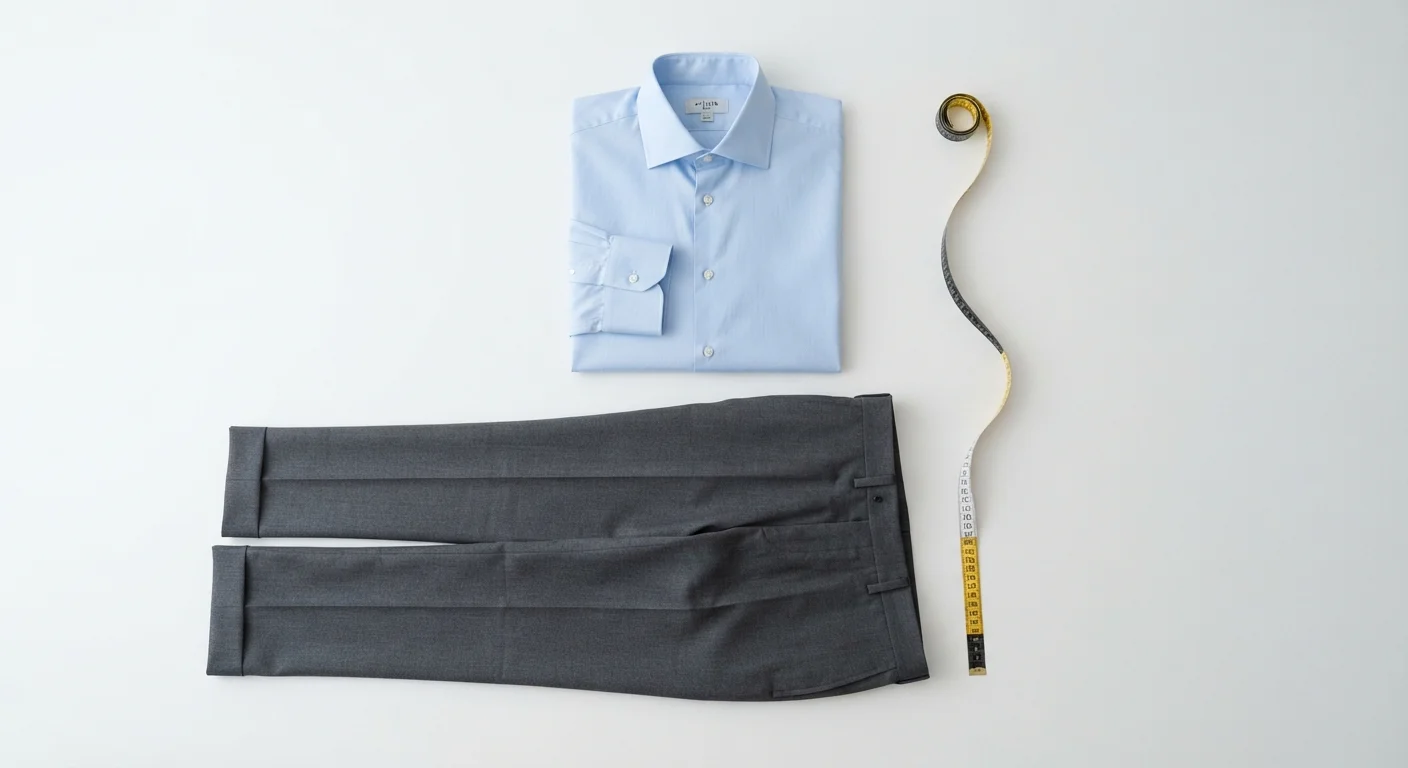
Before buying online or trying to determine your size in an unfamiliar brand, measure your chest, waist, hips, and inseam with a flexible measuring tape. Keep those numbers handy and compare them to each brand's size chart — not to your usual labeled size. This single habit reduces fit guesswork significantly.
The Fit Problems Worth Fixing — and the Ones to Walk Away From
Not every fit issue is created equal. Some problems are minor and inexpensive to correct; others signal that a garment simply isn't right for your proportions, regardless of how much you like it.
Easy to alter: Hem length on trousers, skirts, and sleeves. Taking in the waist of a dress or trouser. Slimming the body of a shirt. These are standard alterations that most tailors can complete quickly and affordably.
Harder to alter: Shoulder seam placement on structured jackets or blazers. Resizing the seat and thigh of trousers significantly. Adding significant volume — letting fabric out — is only possible if there's a seam allowance to work with, and many modern garments don't have one.
As a general rule: if a garment fits well through the shoulders and chest, most other adjustments are manageable. If the shoulder or upper chest is wrong, consider moving on. This is especially relevant when understanding why clothes stop fitting over time — fabric stretch and body changes affect different zones differently.
Fit, Proportion, and Personal Style
One misconception about fit is that it means tailored, slim, or form-fitting. It doesn't. Fit is about intentional proportion, not silhouette preference. A deliberately oversized coat can be just as well-fitted as a slim-cut blazer — the difference is whether the proportions look considered or accidental.
Understanding fit also helps when thinking about personal style more broadly. If you're building a wardrobe around versatile, long-lasting pieces — as covered in our capsule wardrobe guide — fit becomes even more important. A foundational piece that fits well earns its place; one that almost fits rarely gets worn.
For readers newer to thinking about these ideas, everyday dressing basics offers a practical starting point without requiring a deep interest in fashion. And if you've ever wondered why sizing feels inconsistent even within your own wardrobe, the body-shape dressing framework is worth understanding alongside fit fundamentals.
“The most transformative thing most people can do for their wardrobe isn't buying something new — it's having something they already own properly fitted to their body.”
— Style & Beauty Editorial Team, Fashion Fundamentals Editors
This article is for general informational purposes only and does not constitute professional styling or tailoring advice. Results from alterations will vary depending on garment construction and individual measurements.