

Key Takeaways
Why Prevention Outperforms Reaction
Preventive care is one of the most effective investments a pet owner can make — not just financially, but in terms of years and quality of life added to a companion animal's life. Conditions caught early through routine screening or physical examination are almost always easier and less expensive to manage than those discovered at an advanced stage.
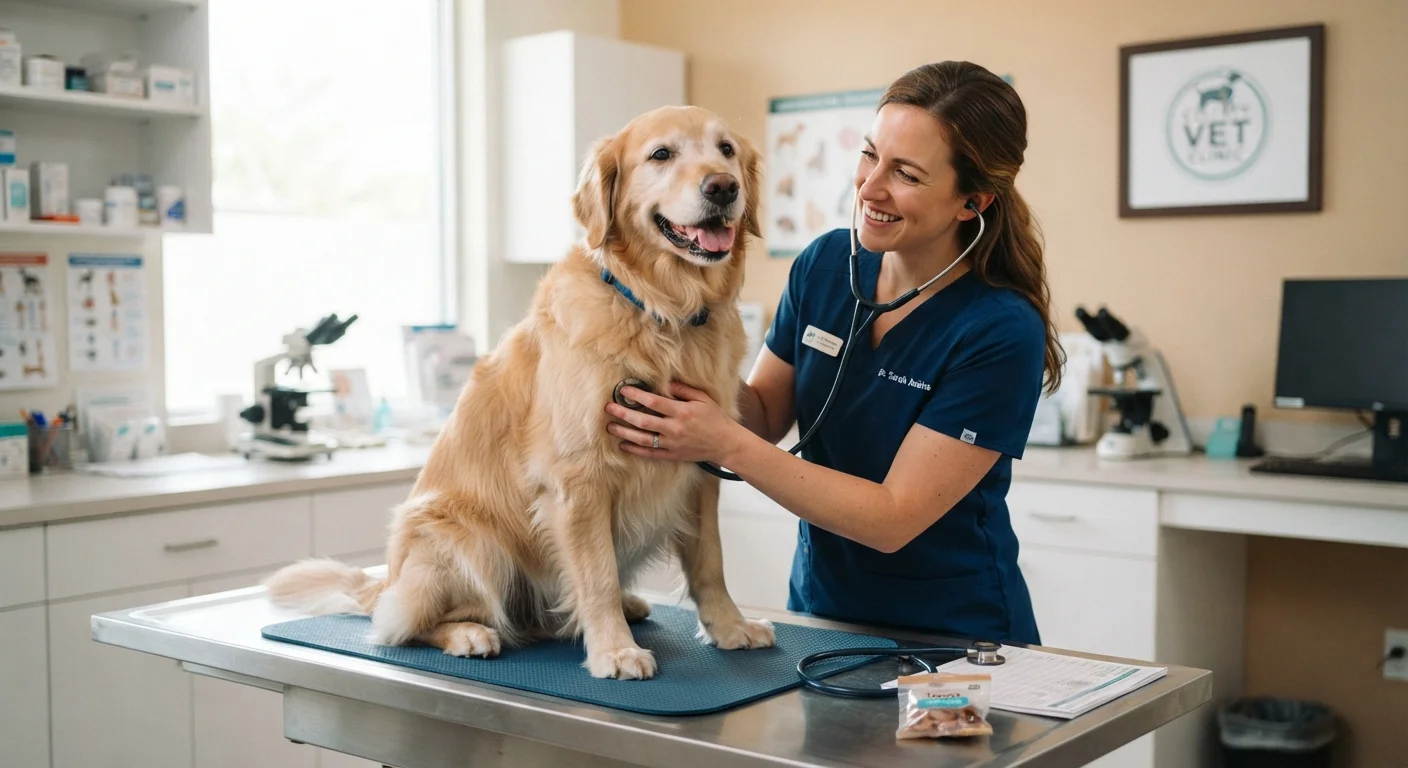
The American Veterinary Medical Association recommends wellness exams at least once a year for adult pets and more frequently for puppies, kittens, and seniors. These visits do more than update vaccines — they give veterinarians a baseline for your individual animal, making it easier to detect subtle changes over time. If you're new to pet ownership, understanding what a wellness exam covers is an essential first step.
Schedule annual wellness exams — or semi-annual for senior and high-risk pets
Physical exams allow veterinarians to detect early signs of dental disease, organ dysfunction, parasites, and weight changes before symptoms become obvious. For pets over seven, biannual visits are broadly recommended because age-related conditions can progress rapidly.
Keep vaccinations and booster schedules current according to your vet's guidance
Core vaccines protect against serious, often fatal diseases such as rabies, canine distemper, and feline panleukopenia. Vaccination schedules vary by species, lifestyle, and regional disease risk, so working with a veterinarian ensures your pet receives appropriate protection.
Administer year-round parasite prevention as directed by your veterinarian
Heartworm, fleas, ticks, and intestinal parasites pose health risks in every season, not just summer. Consistent prevention is far more effective than treating an active infestation or infection, and some parasites — such as heartworm — can be life-threatening if untreated.
Establish a daily dental hygiene habit using pet-safe products
Periodontal disease is one of the most common conditions in adult cats and dogs, and it can contribute to systemic health problems affecting the heart, kidneys, and liver. Daily brushing with veterinarian-approved toothpaste is the gold standard, though dental chews and water additives may offer supplemental support.
Monitor weight and body condition consistently between vet visits
Obesity is a leading preventable health problem in companion animals, contributing to joint disease, diabetes, and shortened lifespan. Conversely, unexplained weight loss is a red flag for underlying illness. Regular home weigh-ins and body condition scoring help owners catch changes early.
Keep a written wellness calendar to track medications, appointments, and observations
Preventive care involves multiple moving parts — vaccines, flea and tick products, dental cleanings, lab work — and it's easy to lose track, especially with multiple pets. A simple calendar or pet health app prevents gaps and gives veterinarians a useful record at each visit.
Core Practices for a Year-Round Wellness Routine
Building a reliable routine means layering several evidence-based practices into your pet's life — not just acting when something goes wrong. The following habits, recommended by veterinary organizations, form the backbone of dependable preventive care.
80%
Dogs with periodontal disease by age three
According to the American Veterinary Medical Association, the majority of dogs show signs of dental disease by their third birthday, making dental hygiene a critical preventive priority.
1 in 3
Pets treated for a preventable condition annually
Veterinary industry data consistently shows that a significant share of pet health visits involve conditions — such as obesity, parasite infestation, or dental disease — that are largely preventable with routine care.
2x
More frequent exams recommended for senior pets
Most veterinary guidelines recommend that pets over age seven receive wellness exams every six months rather than annually, given the accelerated pace of age-related health changes.
Grooming is another often-underestimated component of wellness. Regular brushing allows owners to spot skin abnormalities, lumps, or parasites early. As our guide on grooming as bonding explains, these sessions also build trust and reduce stress — benefits that extend well beyond cleanliness.
Quick Actions You Can Take This Week
Preventive care doesn't require a complete overhaul of your routine. A few targeted actions — taken consistently — can meaningfully improve your pet's long-term health. Start with the highest-impact items below, then build from there.
If you've recently adopted, our checklist for bringing a new pet home walks through the first-weeks priorities in detail, from initial vet visits to parasite prevention. And as your pet ages, remember that health priorities shift — senior pets after age seven require adjusted monitoring and more frequent professional checkups.
Pet Wellness Coverage Varies Widely
Some pet insurance plans include wellness or preventive care riders that offset the cost of routine exams, vaccines, and dental cleanings. Coverage terms, reimbursement structures, and exclusions differ significantly between providers and policies. Review any policy documents carefully and consult an insurance professional if you have questions about what is or isn't included before making coverage decisions.
This article is for general informational purposes only and is not a substitute for professional veterinary advice. Always consult a licensed veterinarian for guidance specific to your pet's health needs.