

Key Takeaways
Grooming as Bonding
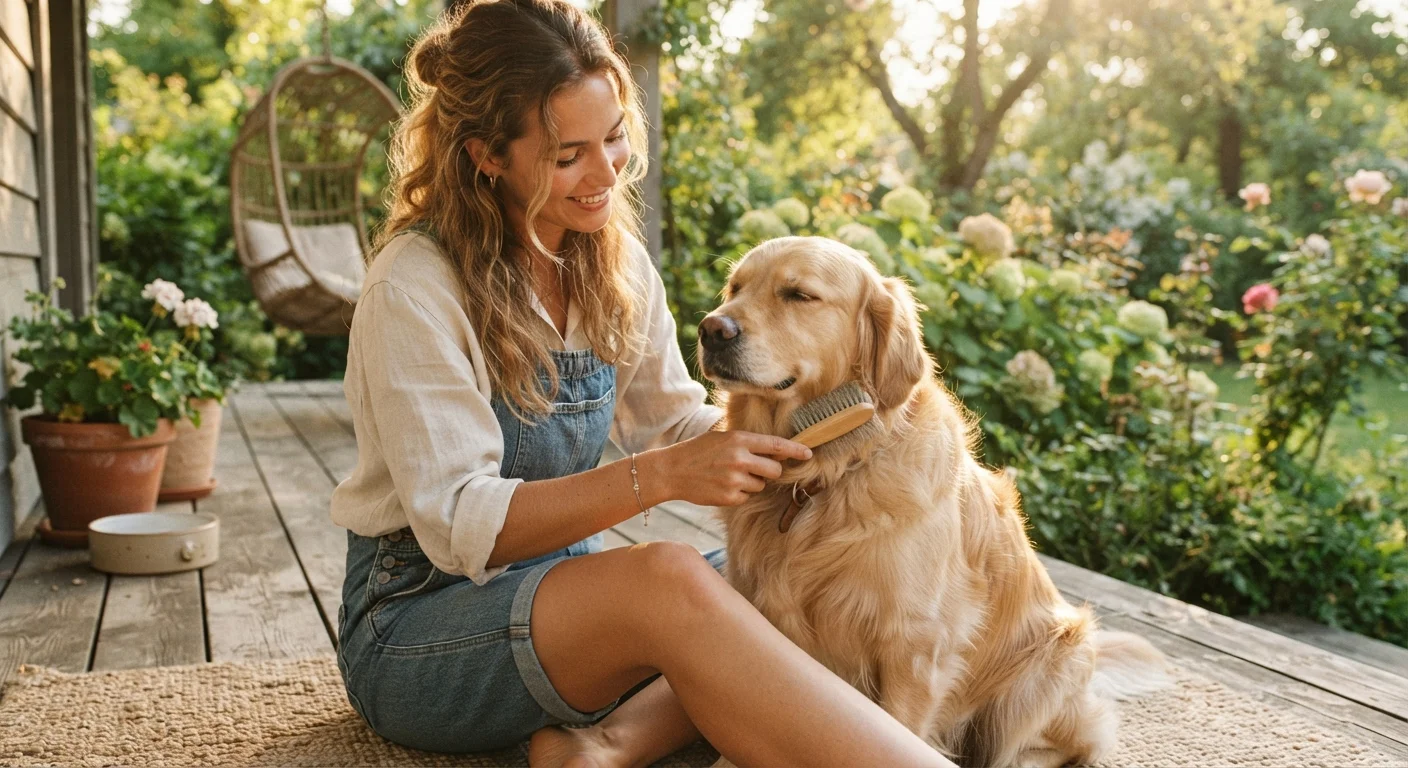
Grooming as bonding refers to the practice of using routine care activities — brushing, bathing, nail trimming, and similar tasks — as intentional opportunities to build trust and deepen the relationship between an owner and their pet. Rather than treating grooming purely as maintenance, this approach recognizes that consistent, gentle physical contact communicates safety and predictability to animals. Over time, these repeated interactions can reduce a pet's anxiety and increase their comfort with human handling.
Research in animal behavior suggests that positive tactile contact triggers oxytocin release in both humans and dogs, a hormone associated with social bonding and stress reduction.
Why Touch Matters in the Animal-Human Bond
Animals communicate trust largely through physical proximity and touch. When an owner brushes a dog's coat or washes a cat with calm, deliberate movements, they're speaking a language the animal understands instinctively. Repeated gentle contact teaches a pet that human hands are safe — a foundational belief that carries over into veterinary visits, travel, and everyday handling.
This isn't simply intuition. Studies in animal behavior have documented that positive tactile interaction between owners and pets activates the same neurochemical pathways associated with social bonding. For dogs in particular, regular gentle contact has been linked to measurable reductions in stress hormones. The relationship isn't one-sided: owners who regularly groom their pets often report feeling more attuned to their animal's health and mood.
“The simple act of brushing a dog is an opportunity to communicate — every calm, predictable stroke tells the animal: you are safe with me.”
— Applied Animal Behavior Science community consensus, Reflected across veterinary behaviorist literature on human-animal interaction
Grooming as a Health Checkpoint
One underappreciated dimension of at-home grooming is its role in early detection. Running a brush through a coat requires an owner to actually look at and feel their pet's body. This makes routine grooming one of the most practical ways to notice subtle changes — a new lump, skin irritation, early signs of a parasite infestation, or an ear that smells unusual.
Catching these changes early and bringing them to a veterinarian's attention can meaningfully affect outcomes. This is part of why grooming deserves a place in any broader preventive wellness routine for pets. The brush becomes, in effect, a casual diagnostic tool used by someone who knows the animal better than anyone.
~74%
Pet owners who groom at home weekly
According to the American Pet Products Association's periodic survey data, a majority of dog owners report performing some form of at-home grooming at least weekly.
2–7 weeks
Kitten socialization window for handling
Veterinary behaviorists identify this early developmental period as especially important for introducing kittens to grooming and human touch.
Building a Routine That Works for Both of You
Consistency is what transforms grooming from a chore into a ritual your pet anticipates rather than dreads. Pets, especially dogs, thrive on predictability — knowing what comes next reduces uncertainty and the anxiety that accompanies it. Pairing grooming with a regular daily or weekly slot reinforces that structure. If you're working to build a dependable daily routine for your dog, grooming fits naturally alongside feeding and exercise as an anchor in the schedule.
Short sessions — five to ten minutes — done frequently outperform infrequent, lengthy ones for relationship-building purposes. Use calm voice tones, gentle strokes, and occasional treats to create positive associations. If your pet signals discomfort (pulling away, flattened ears, tail tucking), pause and try again later rather than pushing through. Forcing the interaction undermines the trust you're working to build.
Make the First Touch Count
Before picking up a brush, spend a moment letting your pet sniff it and settle. Starting each session with a few seconds of calm petting before introducing the grooming tool signals that what follows is safe. This simple step can meaningfully reduce resistance, especially in animals new to regular grooming.
In multi-person households, distributing grooming responsibilities also helps pets bond more broadly. When different family members take turns, the pet learns that handling from various people is equally safe. For more on sharing pet responsibilities effectively, see our guidance on pet ownership as a shared household responsibility.
What the Research Suggests — and Its Limits
The science supporting grooming-as-bonding is genuinely encouraging, but it's worth framing it accurately. Much of the evidence comes from studies of human-dog interaction specifically, and findings don't always transfer directly to cats, rabbits, or other species. Cats, for instance, have highly individual tolerance for handling — some welcome extensive grooming while others prefer brief sessions on their own terms.
Additionally, grooming alone doesn't substitute for other pillars of a healthy relationship: play, training, appropriate exercise, and regular veterinary care all contribute to a pet's overall wellbeing. Grooming is a meaningful piece of that picture, not the entire canvas. Think of it as one reliable, repeatable way to invest in the relationship — one that also happens to keep your pet clean and their coat healthy. Explore the full scope of pet health and wellness to understand how grooming fits alongside other care priorities.
Species and Individual Variation
What works for a Labrador may not work for a Persian cat or a dwarf rabbit. Each species — and each individual animal — has different tolerances for handling, noise, and the duration of grooming sessions. Observing your specific pet's body language is always the most reliable guide. When in doubt, a veterinarian or certified animal behaviorist can offer species-appropriate advice.
This article is for general informational and educational purposes only. For concerns about your pet's health, behavior, or grooming needs, consult a licensed veterinarian or certified animal behavior professional.