

Key Takeaways
Debt Avalanche & Debt Snowball
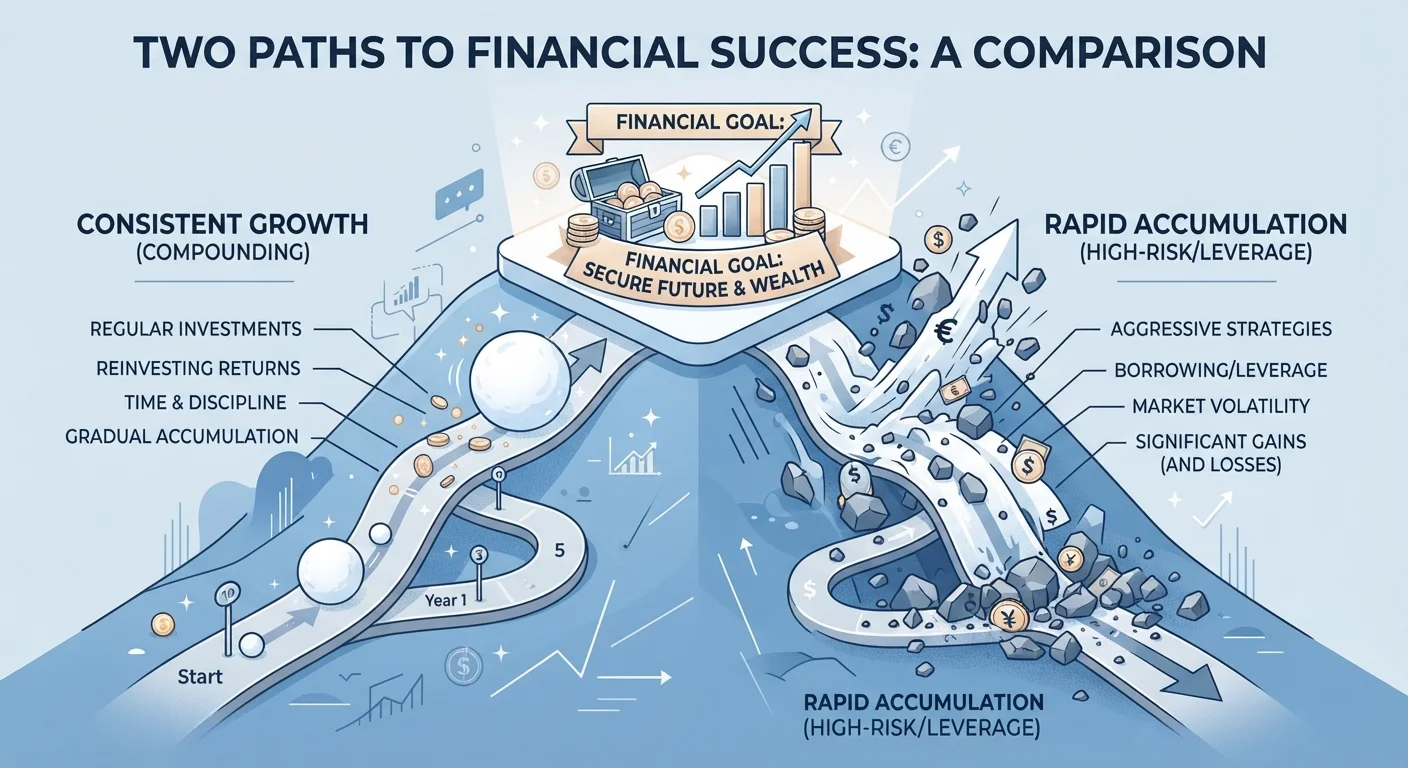
The debt avalanche and debt snowball are two structured methods for paying off multiple debts. The avalanche prioritizes the highest-interest debt first, minimizing total interest paid over time. The snowball targets the smallest balance first, generating early wins that can help sustain motivation.
Both methods assume you make minimum payments on all other debts while directing any extra funds to one targeted account — a concept sometimes called the 'debt stack' approach.
How the Two Methods Work
Both strategies share the same mechanical foundation: you make the minimum required payment on every debt each month, then apply any additional funds to one targeted account. The methods diverge only in how they rank which debt gets that extra attention.
Debt Avalanche: List all your debts by interest rate, from highest to lowest. Direct extra payments to the highest-rate balance. Once that account reaches zero, roll its entire payment — minimums plus the extra amount — into the next highest-rate debt. Repeat until all accounts are cleared.
Debt Snowball: List your debts by outstanding balance, from smallest to largest, ignoring interest rates. Attack the smallest balance with extra payments. When it's paid off, redirect everything you were paying on it toward the next smallest balance. Each eliminated account adds force to the next payment — hence the snowball metaphor.
Start by Listing All Your Debts
Before choosing a method, write down every debt: balance, minimum payment, and interest rate. This inventory makes it easy to rank accounts by either criterion — rate or balance — and gives you a clear picture of the full repayment landscape. Revisit the list each time an account is paid off to stay on track.
Understanding the broader nature of your debt can also inform which debts deserve the most urgency in your payoff sequence.
The Case for Each Approach
The avalanche approach wins on pure math. By eliminating high-interest balances first, you reduce the amount of interest accruing every month, meaning more of each payment chips away at principal. Over the life of a repayment plan, this can translate to meaningful savings — potentially hundreds or thousands of dollars depending on balances and rates.
The snowball approach wins on behavioral economics. Research in consumer behavior consistently finds that visible, early progress is a powerful motivator. Eliminating a small account entirely — even if it carries a low rate — gives a psychological reward that can sustain commitment over the longer haul. For people who have struggled to stick with debt plans in the past, that momentum can matter more than the interest differential.
~$6,300
Average American credit card balance
According to Federal Reserve consumer credit data, the average revolving credit card balance per cardholder has hovered in this range in recent years, underscoring how common high-rate debt is.
20%+
Typical credit card APR range
The Federal Reserve tracks average credit card interest rates; rates on accounts assessed interest have exceeded 20% annually in recent periods, making sequencing decisions financially significant.
The honest answer is that the "best" method is the one you will actually follow through on. A mathematically optimal plan you abandon after two months is less effective than a slightly costlier plan you maintain for years.
Choosing the Right Method for Your Situation
Consider a few key factors when deciding which approach fits your circumstances:
- Interest rate spread: If your debts carry very different rates — say, a 24% credit card alongside a 6% personal loan — the avalanche offers a clearer advantage. When rates are clustered closely together, the mathematical difference shrinks significantly.
- Number of accounts: Carrying many small balances? The snowball can clear several accounts quickly, reducing the number of creditors you manage and freeing up minimum-payment cash flow sooner.
- Your track record: If you've started debt payoff plans before but lost steam, the snowball's early wins may be the motivational edge you need. If you're confident in your commitment and want to minimize cost, the avalanche is worth the longer wait for that first payoff milestone.
It's also worth noting that these methods are distinct from debt consolidation, which restructures what you owe rather than sequencing how you pay it. Some people combine consolidation with avalanche or snowball logic once their debts are reorganized.
Both Methods Require Minimum Payments on All Accounts
A common misconception is that you stop paying other debts while focusing on your target account. In practice, missing minimum payments triggers late fees, penalty rates, and credit damage that can far outweigh any strategic benefit. Always pay minimums on every account; only the extra goes to the priority debt.
Whatever strategy you choose, embedding it inside a realistic budget is essential. The Budgeting Basics hub covers practical ways to identify and protect the extra dollars that fuel either method.
Balancing Debt Payoff with Other Financial Goals
Aggressive debt repayment doesn't have to mean putting every other financial goal on hold. Many personal finance frameworks suggest a tiered approach: capture any employer retirement match first (it's an immediate return), maintain a basic emergency fund, then channel remaining surplus toward high-interest debt.
Once high-rate debt is cleared, the cash flow you've freed up can shift toward savings and investing. For a deeper look at navigating these competing priorities, see Paying Off Debt While Saving: Finding the Right Balance and the comprehensive guide to managing savings and debt at once. When debt is under control, you'll be in a stronger position to explore investing essentials for the long term.
This article is for general informational and educational purposes only and does not constitute personalized financial, tax, or legal advice. Consult a qualified financial professional before making decisions about your specific debt situation.