

Key Takeaways
Option A
Actual Cash Value (ACV)
The depreciation-adjusted payout option.
Best for: Policyholders seeking lower premiums who accept a reduced payout that accounts for wear and age.
Option B
Replacement Cost Value (RCV)
The full rebuild or replace payout option.
Best for: Homeowners or vehicle owners who want sufficient coverage to restore what they lost at today's prices.
If you want to minimize your monthly premium
Actual Cash Value (ACV)
ACV policies generally cost less upfront. Be aware that you will likely face a larger gap to cover yourself if you need to replace damaged property.
If you want to fully rebuild or replace after a covered loss
Replacement Cost Value (RCV)
RCV closes the depreciation gap, giving you the funds to restore your property at current market prices without coming out of pocket.
If you own older property with significant depreciation
Replacement Cost Value (RCV)
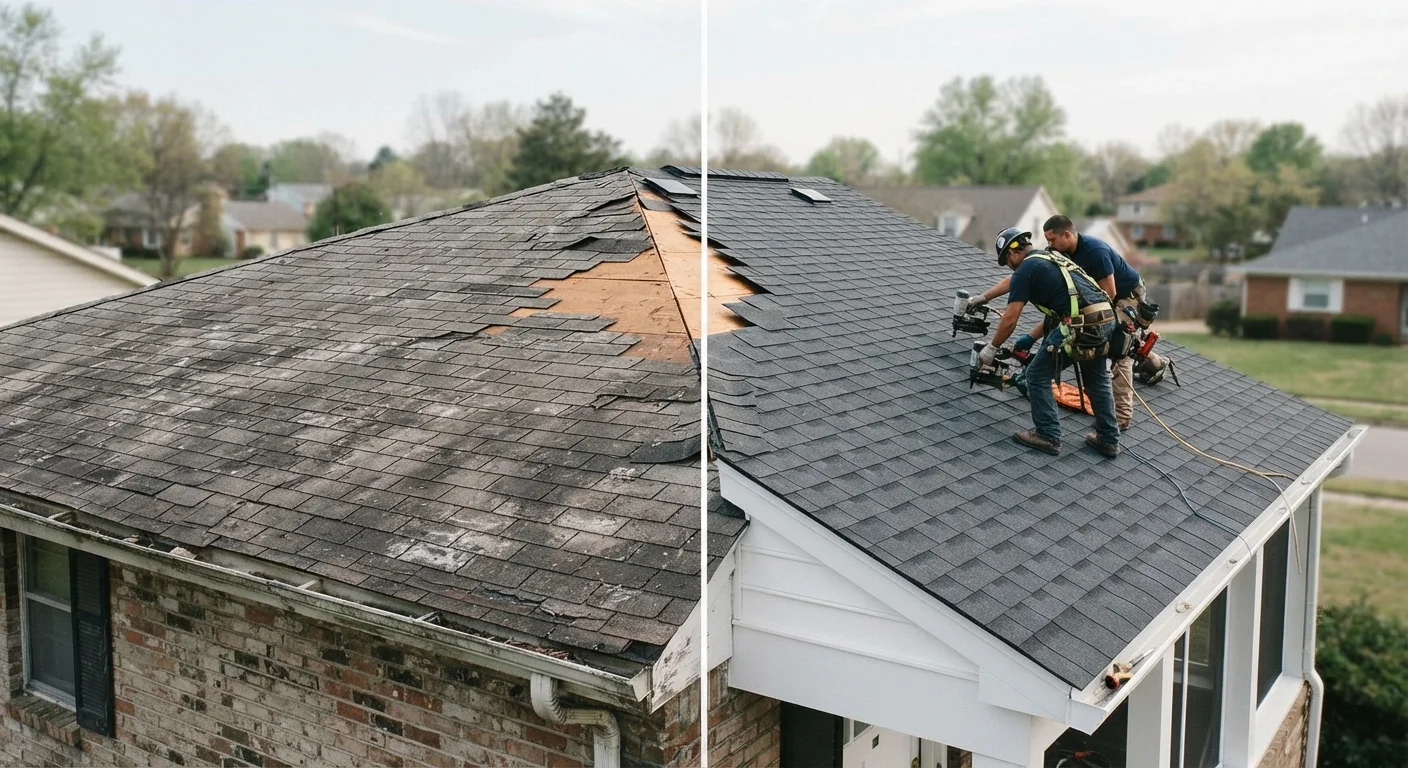
Older roofs, appliances, or vehicles lose value quickly; ACV payouts on these items can be a fraction of what replacement actually costs.
If you have strong emergency savings and prefer lower ongoing costs
Actual Cash Value (ACV)
ACV makes sense when you can self-fund the depreciation gap and prefer to keep premium costs down over the long term.
What Each Term Actually Means
Actual Cash Value (ACV) is a payout method that calculates your settlement by taking the cost to replace the damaged item and then subtracting depreciation — the reduction in value caused by age, wear, and obsolescence. In practical terms, if a five-year-old roof costs $15,000 to replace but has depreciated by 40%, your ACV payout would be roughly $9,000 before your deductible.
Replacement Cost Value (RCV), by contrast, pays what it actually costs to repair or replace the damaged property with a comparable new item at current prices — depreciation is not subtracted. Using the same roof example, an RCV policy would pay the full $15,000 replacement cost (minus your deductible).
Both methods are standard in property and auto insurance, and your policy's declarations page will specify which applies. Understanding this distinction is foundational — it shapes how much money you actually receive after a loss, not just what coverage limit is printed on your policy. For a broader look at how coverage types fit together, see how liability, comprehensive, and collision coverage work.
How Depreciation Changes the Math
Depreciation is the engine that separates ACV from RCV payouts. Insurers calculate it based on factors like the item's expected useful life, its age at the time of loss, and its condition. A ten-year-old HVAC system, a roof past its warranty period, or a vehicle with high mileage all carry substantial depreciation — meaning an ACV check may cover only a portion of what you'll spend at a contractor or dealership.
~50%
Typical depreciation on a 15-year-old roof
Insurance industry guidelines commonly apply depreciation rates that can reduce an aging roof's ACV to roughly half its replacement cost.
$5,000+
Potential ACV vs. RCV gap on a single claim
On larger losses such as roof replacement or total appliance loss, the depreciation gap between ACV and RCV payouts can easily exceed several thousand dollars.
Some ACV policies include a recoverable depreciation provision, sometimes called a holdback. Under this structure, the insurer pays the depreciated ACV amount first, and then releases the withheld depreciation once you complete repairs and submit documentation. This hybrid approach can narrow the gap, but it requires you to front the costs and follow specific claim procedures. Always confirm whether depreciation is recoverable or non-recoverable in your policy's definitions section.
Premium Cost vs. Payout Exposure
The trade-off between ACV and RCV is straightforward: lower premium versus lower out-of-pocket exposure at claim time.
| Criterion | Actual Cash Value (ACV) | Replacement Cost Value (RCV) |
|---|---|---|
| How payout is calculated | Replacement cost minus depreciation | Full current replacement cost |
| Depreciation applied | Yes — reduces your settlement | No — not subtracted from payout |
| Typical premium level | Lower | Higher |
| Out-of-pocket gap after a loss | Potentially significant | Minimal (after deductible) |
| Best suited for | Budget-focused, newer or lower-value property | Full-rebuild protection, older or high-value property |
| Common policy types | Basic auto, older home policies | Standard homeowners, newer auto policies |
RCV policies cost more annually because the insurer takes on greater financial exposure — it commits to paying today's replacement prices regardless of how old or worn the property was. ACV policies shift a portion of that risk back to you in the form of the depreciation gap you must cover yourself.
When weighing this trade-off, consider the age and condition of your most valuable insured assets. A newer home with a recently replaced roof may have a smaller depreciation gap, making ACV more viable. An older property with aging systems may leave you significantly underinsured on ACV. An annual insurance review is a useful habit for checking whether your payout method still matches your property's reality.
This article is for general informational and educational purposes only and does not constitute insurance, financial, or legal advice. Coverage terms, payout calculations, and policy availability vary by insurer, policy type, and state. Always read your actual policy documents and consult a licensed insurance professional for guidance specific to your situation.