

Key Takeaways
Our Verdict
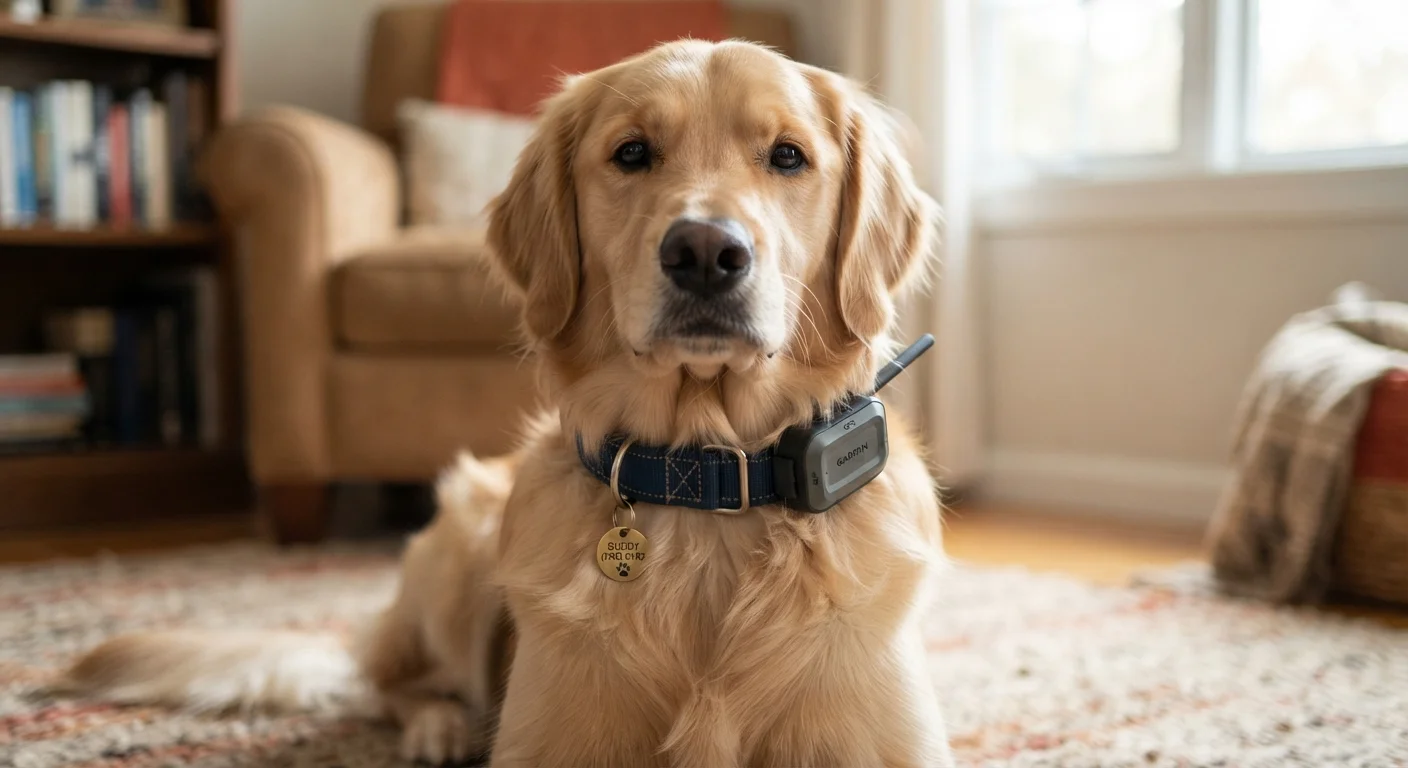
No single identification method is foolproof on its own. Microchips provide durable, tamper-resistant identification; ID tags offer immediate, at-a-glance contact information; and GPS trackers add real-time location awareness. Together, they create a layered safety net that addresses the gaps each method has individually.
| Best for | Recommended |
|---|---|
| Owners wanting permanent, low-maintenance baseline identification | Microchip |
| Those who want found-pet contact information visible at a glance | ID Tag |
| Active pets or those with a history of escaping | GPS Tracker |
| Most pet owners seeking comprehensive protection | All three used together |
Why Pet Identification Matters
Each year, millions of pets in the United States become lost. According to the American Humane Association, roughly one in three pets will go missing at some point in their lifetime — and without identification, reunification with owners becomes significantly harder. Responsible pet identification is a foundational element of ownership, and it's covered as part of the broader fundamentals in our guide to getting started with pet health.
Three primary identification methods are widely used today: microchips, ID tags, and GPS trackers. Each works differently, offers different benefits, and comes with real limitations. Understanding how they compare helps owners make informed decisions — and ideally, use more than one.
| Microchip | ID Tag | GPS Tracker | |
|---|---|---|---|
| How it works | RFID scanned by shelter or vet | Visible contact info on collar | Real-time satellite/cell location |
| Permanence | Lifetime (implanted) | Can fall off or wear out | Requires charging; hardware may fail |
| Requires equipment to use | Yes — RFID scanner needed | No — readable by anyone | Yes — smartphone and signal needed |
| Real-time tracking | No | No | Yes |
| Ongoing cost | Registry fee (typically one-time) | Replacement as needed | Subscription or hardware fees |
| Risk of loss or removal | Very low — implanted | Moderate — collar-dependent | Moderate — collar-dependent |
| Coverage limitations | Only useful when pet is found | Only useful if collar is on | Dependent on battery and signal |
Microchips: Permanent but Passive
A microchip is a small radio-frequency identification (RFID) device, roughly the size of a grain of rice, implanted beneath a pet's skin — typically between the shoulder blades. The procedure is quick, similar to a routine vaccination, and is performed by a veterinarian or trained shelter professional.
Microchips don't emit signals or require batteries. Instead, they store a unique identification number that is read by a handheld scanner. When a lost pet is brought to a shelter or veterinary clinic, staff can scan for a chip and look up the owner's contact information through a pet recovery database.
Keep Your Registry Information Current
A microchip is only as effective as the contact details linked to it. When you move, change your phone number, or transfer a pet to a new owner, update the registry record promptly. Many owners complete the implant but never finalize registration — check that your chip number is searchable in a national database and that all information is accurate.
The critical caveat: a microchip is only useful if the owner's contact information is registered and kept current in a searchable database. A chip with outdated or missing registry details significantly reduces the chance of reunification. Owners should verify their registration after moving, changing phone numbers, or transferring ownership of a pet. It's also worth noting that not all databases are universally searchable — using a nationally recognized registry improves lookup odds.
Many municipalities require microchipping by law, which intersects with broader pet ownership laws that vary by state and city.
ID Tags: Simple, Visible, and Immediate
ID tags remain one of the most straightforward identification tools available. Attached to a pet's collar, they display contact information — typically an owner's name and phone number — that any finder can read immediately, without any special equipment.
Their strength is accessibility. A neighbor who spots a wandering dog doesn't need a scanner or an app — they can read the tag and call. That simplicity has real value, especially in neighborhoods where most lost pets are found by ordinary people rather than shelters.
The limitations are equally straightforward. Tags can fall off if collar hardware fails. They can become illegible over time through wear. Collars themselves can be removed. And cats, in particular, may lose collars due to safety breakaway mechanisms designed to prevent strangulation — a deliberate design feature that trades retention for safety.
Don't Rely Solely on a Collar or Tag
Collars can slip off, break, or be intentionally removed. A tag-only approach leaves a pet without any identification if the collar is lost. ID tags work best as a complement to microchipping, not as a standalone method — especially for pets that spend time outdoors or in high-traffic areas.
Best practice is to check tags periodically for legibility and replace them when information changes. Engraved tags tend to last longer than printed ones. For pets covered under a pet insurance policy, keeping identification current is also good practice for documentation purposes.
GPS Trackers: Real-Time Location, with Trade-Offs
GPS pet trackers are collar-mounted or harness-attached devices that use GPS satellites — and often cellular or radio networks — to report a pet's location in real time via a smartphone app. For owners of adventurous dogs, outdoor cats, or pets with a history of escaping, this technology adds a meaningful layer of proactive tracking rather than reactive identification.
Unlike microchips and tags, GPS trackers allow owners to see where a pet is before the animal is found by someone else. Some devices also offer geofencing, which sends an alert when a pet leaves a designated area.
The trade-offs are real, however. GPS trackers require regular charging — battery life varies widely by device and usage, from a few hours to several days. Coverage depends on cellular or radio signal availability, which can be unreliable in rural or remote areas. The devices add weight to a collar, which may be a consideration for small breeds or cats. And unlike microchips, they represent an ongoing operational cost.
GPS tracking does not replace other identification methods. If a device loses battery or signal, a microchip or tag becomes the fallback. Pairing GPS with the preventive care habits covered in our Pet Health & Wellness hub reflects the same layered approach responsible ownership demands.
Using All Three Together
Veterinary and animal welfare organizations broadly recommend a multi-layered approach to pet identification. Each method compensates for the weaknesses of the others: microchips provide permanent, tamper-resistant identification when collars are lost; tags give finders immediate contact information; and GPS trackers allow owners to act before a pet is formally reported missing.
The combination is particularly important for pets that spend time outdoors, live in areas with high traffic or escape risk, or have anxiety-driven behaviors that increase the chance of bolting. The additional investment in trackers and registration is modest relative to the costs — financial and emotional — of a lost pet.
Owners should treat identification as a system to maintain, not a one-time setup. Verify registry information after life changes, check tag legibility regularly, and keep tracker batteries charged. Responsible identification is one part of a broader commitment to pet stewardship — alongside parasite prevention (see our complete flea, tick, and heartworm prevention guide), wellness care, and understanding your legal responsibilities as an owner.
This article is for general informational purposes only and does not constitute veterinary or legal advice. Consult a licensed veterinarian for guidance specific to your pet's health and circumstances.