

Key Takeaways
The Stress Response
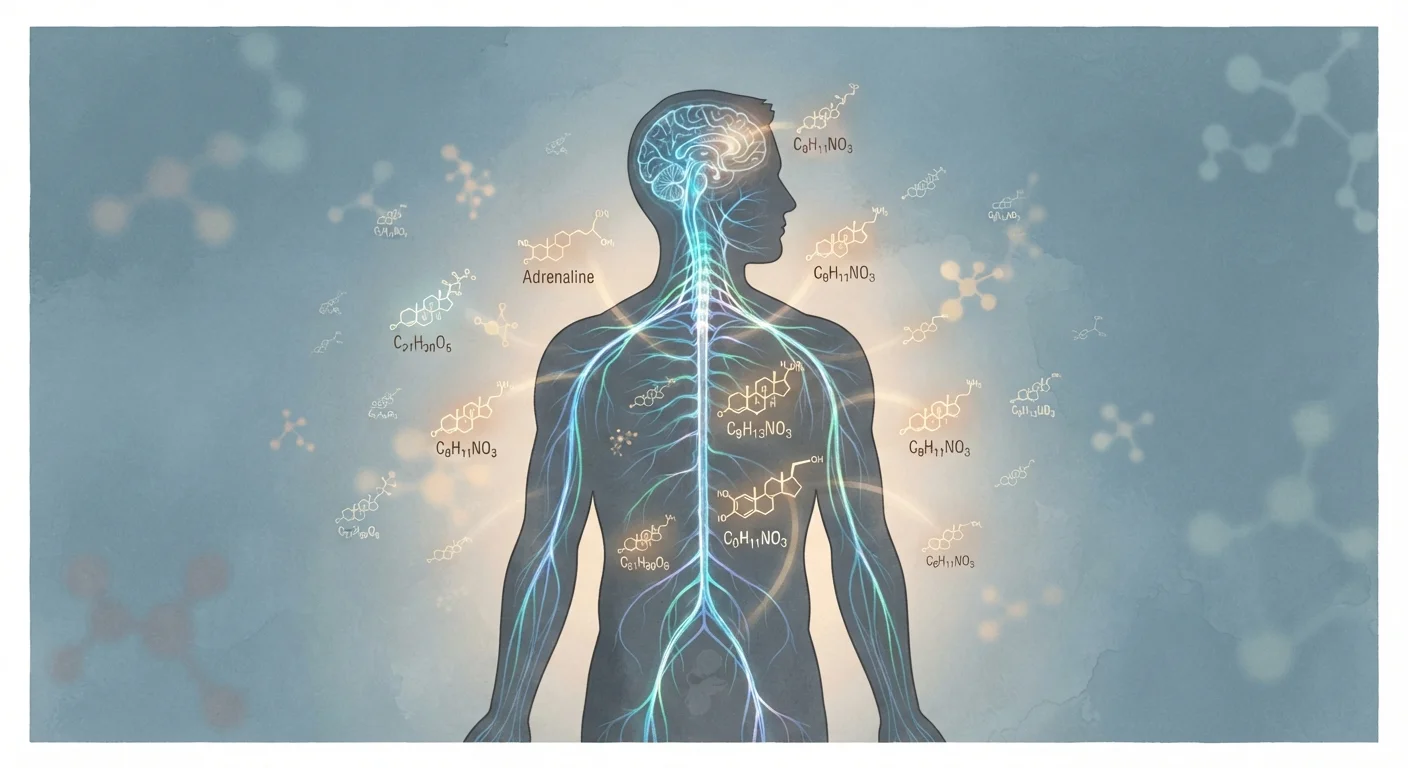
The stress response - often called the "fight-or-flight" reaction - is the body's automatic, short-term defense system against perceived threats. When your brain detects danger, it triggers a cascade of hormonal and neurological changes that prepare you to act fast. This system evolved to handle physical threats but activates for psychological stressors just as readily. Understanding how it works helps explain why chronic stress can take a real toll on physical health.
The response is primarily orchestrated by the hypothalamic-pituitary-adrenal (HPA) axis and the sympathetic branch of the autonomic nervous system, with cortisol and adrenaline (epinephrine) as the key hormonal messengers.
What Happens in the First Few Seconds
When your brain perceives a threat - whether it's a car swerving toward you or a difficult conversation - a region called the amygdala sends an immediate distress signal to the hypothalamus. The hypothalamus acts like a command center, activating the sympathetic nervous system within milliseconds.
Your adrenal glands release a surge of adrenaline (epinephrine), producing rapid, recognizable changes: heart rate climbs to push more blood to muscles, breathing quickens to pull in more oxygen, pupils dilate to sharpen vision, and digestion slows because it's not a priority right now. Glucose floods the bloodstream to fuel a potential physical response. This happens faster than conscious thought - your body is already reacting before you've fully registered what's wrong.
77%
Adults reporting physical stress symptoms
According to the American Psychological Association's Stress in America surveys, a large majority of adults regularly experience physical symptoms they associate with stress.
2-3x
Increased cardiovascular risk with chronic stress
Research published in peer-reviewed cardiology literature suggests chronically high stress levels are associated with a significantly elevated risk of cardiovascular events compared to low-stress populations.
20 min
Approximate time for cortisol to peak after a stressor
Cortisol typically reaches its highest concentration in the bloodstream roughly 20-30 minutes after a stressor is perceived, according to established HPA axis research.
The Longer Wave: Cortisol's Role
If the perceived threat doesn't resolve instantly, the hypothalamic-pituitary-adrenal (HPA) axis kicks in seconds to minutes later. The hypothalamus signals the pituitary gland, which tells the adrenal cortex to release cortisol - the body's primary stress hormone.
Cortisol keeps blood sugar elevated, maintains heightened alertness, and temporarily dials down functions deemed non-essential during an emergency - including digestion, reproductive processes, and parts of immune regulation. Once the threat passes, cortisol levels are supposed to drop and the body returns to a balanced resting state known as homeostasis.
Recognizing Your Personal Stress Signals
Physical stress symptoms vary widely from person to person - some people experience headaches or tight shoulders, others notice digestive changes or disrupted sleep first. Paying attention to your own early warning signs makes it easier to intervene before the stress response becomes entrenched. Journaling physical symptoms alongside stressful events for even a week can reveal meaningful patterns.
When Stress Becomes Chronic: What Changes
The stress response is well-suited to brief, discrete threats. The problem arises when modern psychological stressors - financial pressure, relationship conflict, ongoing work demands - keep the system activated for weeks or months. The body never fully returns to baseline.
Chronically elevated cortisol is associated with several significant health consequences:
- Cardiovascular strain: Persistent high blood pressure and increased heart workload raise the risk of heart disease over time.
- Immune suppression: Long-term cortisol elevation reduces the body's ability to fight infections and can slow wound healing.
- Sleep disruption: Cortisol is meant to be lowest at night; when it stays elevated, sleep quality deteriorates, which itself amplifies the stress response the next day.
- Digestive issues: The gut and brain are closely connected - chronic stress can contribute to symptoms like stomach pain, nausea, or changes in bowel habits.
If you notice that stress is consistently affecting daily function, it may be worth exploring whether stress has crossed into burnout, which carries its own distinct pattern of symptoms and recovery needs.
Why Biology Alone Doesn't Determine Your Outcome
Knowing the biology of stress isn't just academic - it's genuinely useful. When you understand that physical symptoms like a racing heart or an upset stomach are your nervous system responding, not signs of personal failure, it changes how you relate to those sensations.
It also underscores why coping strategies matter. Different approaches work for different stressors: some target the source of the problem, others help regulate the emotional and physiological response. How people cope with stress - and how those approaches differ is worth understanding before defaulting to habits that may not address what's actually driving your body's response.
Notably, stress is not unique to humans. If you live with animals, chronic stress affects pets physically in comparable ways - from immune changes to digestive disruption - a reminder that the stress response is a deeply conserved biological system.
This article is for general informational and educational purposes only and is not a substitute for professional medical advice. If you are experiencing significant physical or psychological symptoms related to stress, please consult a qualified healthcare provider.